
Thames Water submits its White Horse Reservoir application on 17 November, with hearings due in 2027. The Vale council says it will fight for local people.
Thames Water will submit its application to build the White Horse Reservoir south west of Abingdon to the government on Tuesday 17 November, and Vale of White Horse District Council says it will keep fighting for the best outcome for the people who live around it.
The reservoir, formally known as the South East Strategic Reservoir Option (SESRO), would sit west of the A34 between Marcham, Drayton, Steventon, East Hanney and Grove. The council says local communities have criticised the plans, and it is urging water companies to look harder at alternatives.
Overview
- 17 November 2026: Thames Water applies to the Planning Inspectorate for a Development Consent Order.
- About a month later: the Planning Inspectorate decides whether to accept the application for examination.
- Early 2027: the council expects all the documents Thames Water has supplied to be published.
- 2027: public examination hearings.
- Who decides: the Secretary of State at the Department for Environment, Food and Rural Affairs, not the district council.
‘Many questions remain’
The reservoir is a Nationally Significant Infrastructure Project, so it does not go through the council’s planning committee. The developer applies to the Planning Inspectorate for a Development Consent Order, and the final decision is made by the Secretary of State at Defra. The district council is a statutory consultee.
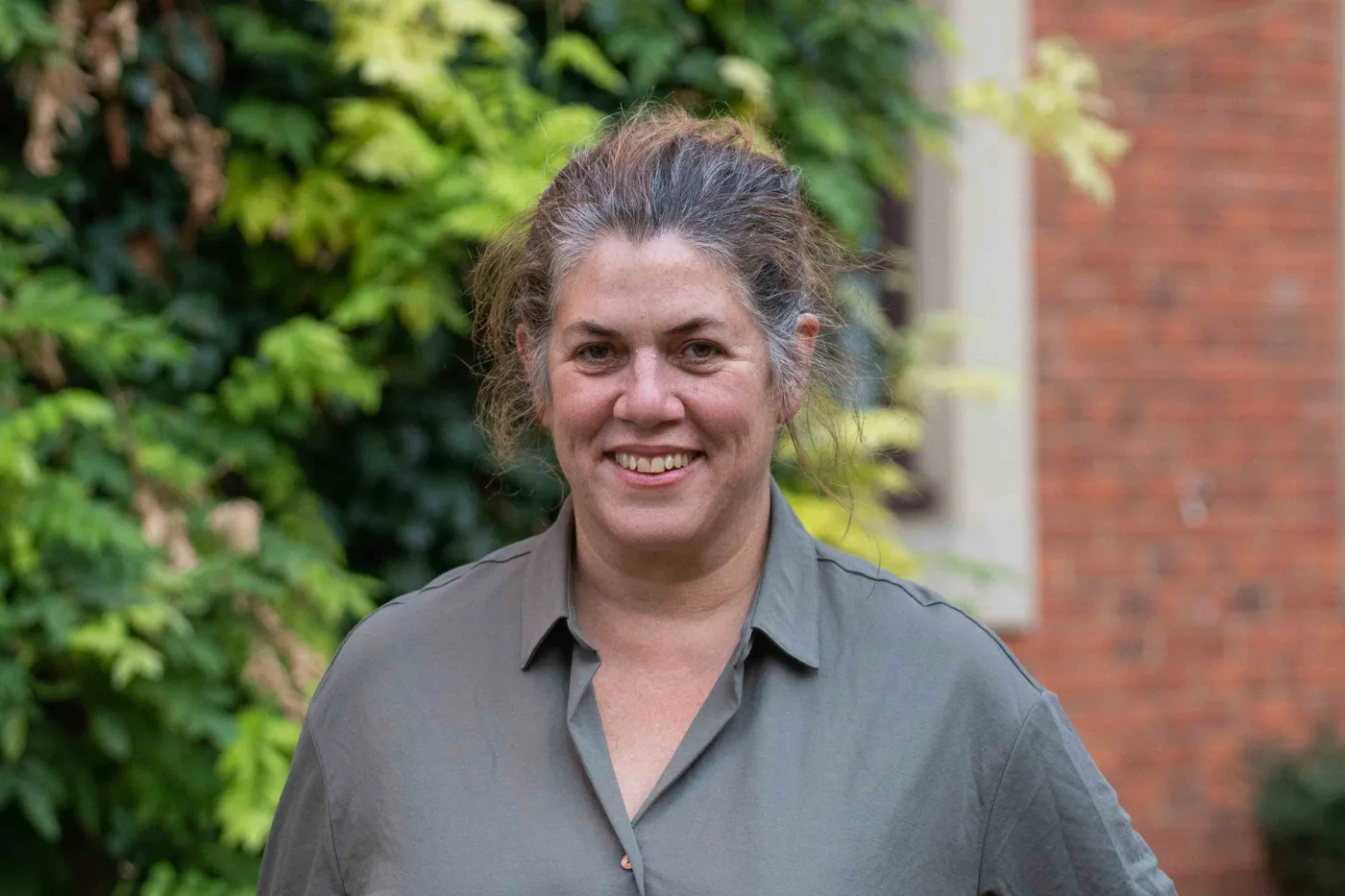
Cllr Bethia Thomas, leader of Vale of White Horse District Council, said: “It is no secret that we have deep concerns for the reservoir and the impact it would have on our district.
“Many questions remain around the size of the proposed scheme, its environmental impact and significant (growing) financial and carbon costs, as well as the potential for increased flood risk in local watercourses.”
She added: “Next week the reservoir will reach a major milestone, with Thames Water submitting an application for development consent to the government.
“In about a month’s time we will know if this has been accepted for examination by the Planning Inspectorate. If it is accepted, we enter a complex pre-examination stage where it is important for the district council, alongside everyone else, to put our view across and make sure local voices are heard.
“We expect to see all the information Thames Water has supplied as part of their application published in early 2027. Up until this point there is still a lot of detail we haven’t seen and need to know. This will all eventually lead to public examination hearings in 2027.”
The latest detail Thames Water has published already raised the traffic numbers. Its September construction plans put 17 construction entrances around the site and up to 60 lorry movements an hour on the A415 Marcham Road at peak (our report on the access plans).
What the council will push on
If the application is accepted, the council will submit a Local Impact Report, a formal technical assessment of how the scheme is likely to affect the area and its communities, alongside its own Relevant Representation.
The council lists the issues it wants addressed:
- major accidents and disasters
- flood risk
- water quality
- nature and biodiversity
- construction and traffic impacts
- the historic environment and landscape
- sustainability and climate resilience
- economic and employment commitments
Reservoir, Cearn, Botley West: ‘huge changes for the Vale’
In October the council raised concerns about the number of national-scale schemes landing in the district at once: the reservoir, the Cearn and Botley West solar farms, East West Rail and the Thames to Southern Transfer. Botley West was refused by the Secretary of State on 10 November.
Cllr Thomas said: “Potentially, these represent huge changes for the Vale with significant impacts on our communities. We know better than national government what is best for our district, but we have little control in the approval process other than as a statutory consultee. We know that going forwards there is likely to be a substantial increase in the number of projects that will fall under the NSIP umbrella.
“If the Cearn solar farm proposal goes ahead there is a strong possibility that the construction period could overlap with that of the reservoir, with the cumulative impact on local residents a worry.”
On Botley West, she said: “I am heartened by the refusal of Botley West solar farm this week as it has shown in this example that the planning process is robust. In the case of Botley West, the needs of the local community and local issues have been taken into consideration, which is exactly what we want to see across all of these major schemes coming forwards in our area.
“We will continue to urge government to listen to local voices and we vow to do everything we can within our power to ensure that the voice of our community is listened to.”
What it means for you
Nothing changes on the ground on 17 November. The step that matters for residents comes if the Planning Inspectorate accepts the application, which the council expects to be known in about a month.
At that point there will be at least four weeks to register as an interested party. Registering lets you make representations for or against the reservoir, in writing and in person at the hearings, and set out any harm you think the scheme would cause.
The council keeps its updates on the reservoir, including the application status and how to take part in the examination, on its NSIPs hub. We will report the acceptance decision and the registration dates when they are published.
Have your say